
Walking through my local market, the vibrant display of fresh vegetables and fragrant herbs always pulls me in. It’s the perfect reminder that not all comfort food needs to come from a takeout box. In fact, nothing beats the joy of crafting your own Homemade Ramen Noodles from scratch! This recipe opens the door to a world of fresh, chewy goodness—a healthier alternative to store-bought options that’s as customizable as your imagination allows. Whether you’re craving a warm, steamy bowl of ramen or a cool, zesty noodle salad, making your own noodles offers the flexibility to suit any craving. Plus, you’ll impress family and friends with your culinary prowess! Are you ready to elevate your homemade meals with delicious, fresh ramen? Let’s dive in!
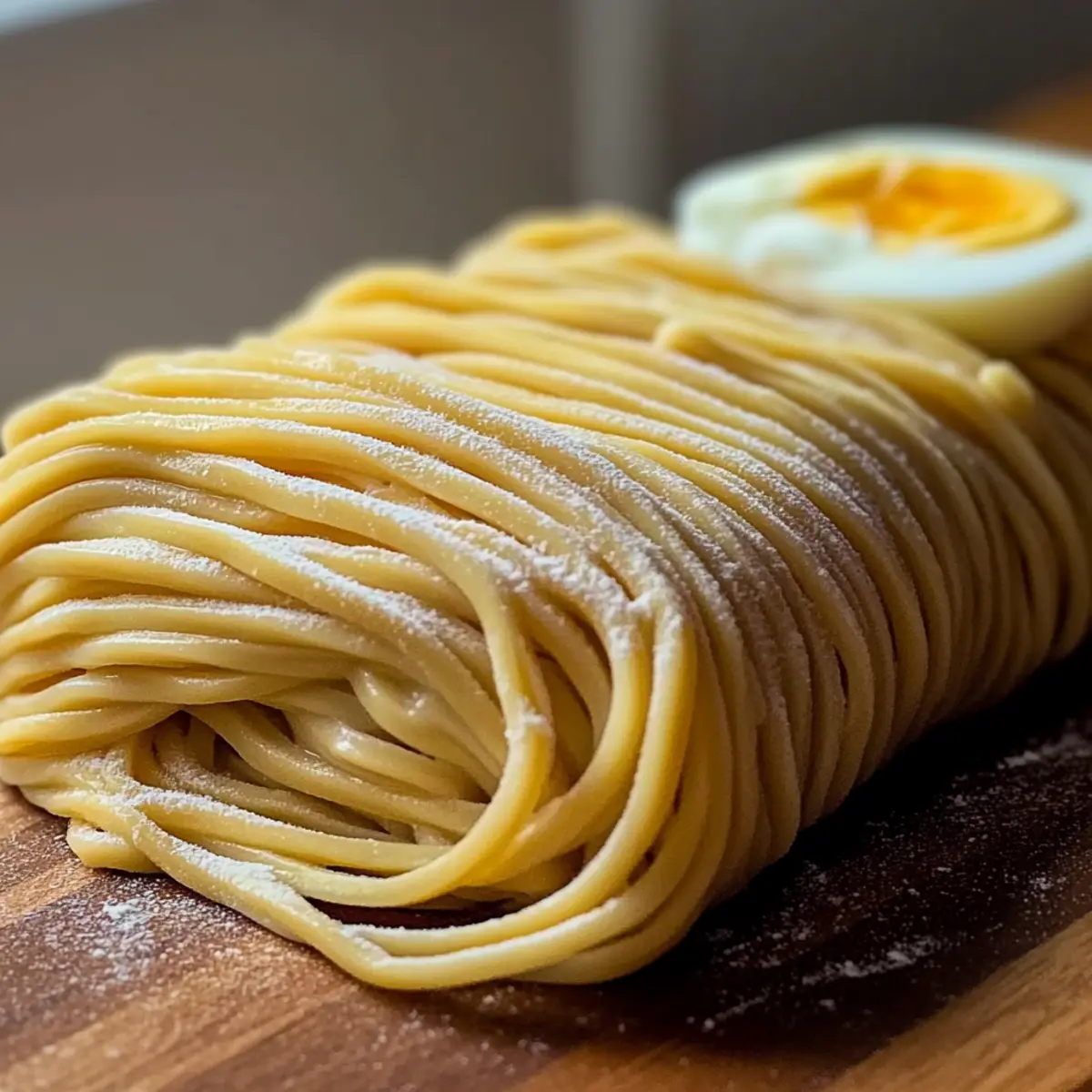
Why Make Homemade Ramen Noodles?
Simplicity at Its Best: This recipe is beginner-friendly, requiring just a few basic ingredients and simple techniques.
Fresh and Healthy: Knowing exactly what goes into your noodles means fewer preservatives and a much healthier option compared to store-bought.
Customizable Delight: Add your favorite flavors or swap flours to cater to your dietary needs—and don’t forget the delicious toppings!
Versatile Enjoyment: Whether in a hot broth, tossed in a salad, or stir-fried with fresh veggies, these noodles fit any occasion.
Impress Your Friends: Making fresh ramen from scratch truly wows guests and elevates your dinner parties into gourmet experiences.
Embrace this culinary adventure and let it inspire you to explore other homemade delights, like these Cranberry Bliss Bars or Burger Bowls Savor.
Homemade Ramen Noodles Ingredients
For the Dough
- All-Purpose Flour – Provides structure for the noodles; substitute with bread flour for a chewier texture.
- Water – Hydrates the dough, essential for noodle texture; adjust based on humidity and flour type.
- Baking Soda – Mimics the alkaline nature of kansui used in traditional ramen noodles, enhancing flavor and color.
For Dusting
- Cornstarch – Helps to dust the noodles for easy handling and prevents sticking during storage.
Get ready to create some wonderful Homemade Ramen Noodles that will take your culinary skills to the next level!
Step‑by‑Step Instructions for Homemade Ramen Noodles
Step 1: Prepare Dough
In a large mixing bowl, combine all-purpose flour and baking soda, then add water gradually. Mix until the ingredients start to come together, then transfer the dough onto a lightly floured surface. Knead the dough for about 10 minutes until it becomes smooth and elastic, and you can stretch it without tearing. This step is crucial for achieving that perfect chewy texture for your homemade ramen noodles.
Step 2: Rest Dough
Once kneaded, shape the dough into a ball and wrap it tightly in plastic wrap or cover it with a damp cloth. Allow the dough to rest at room temperature for at least 30 minutes; this resting period is essential for relaxing gluten and making it easier to roll out later. During this time, clean your work surface and prepare your pasta machine if you have one.
Step 3: Roll and Cut
After the dough has rested, divide it into smaller portions to work with more easily. Using a pasta machine or a rolling pin, roll each portion into a thin sheet, about 1/16 inch thick. You want it to be smooth and even; if using a knife or a pizza cutter, cut the rolled dough into your preferred noodle shape—whether it’s long strands or wider flat noodles for your homemade ramen.
Step 4: Cook Noodles
Bring a large pot of salted water to a boil over medium-high heat. Once bubbling, gently add the cut noodles, ensuring they don’t stick together. Cook for about 3 to 5 minutes; watch for them to become chewy and tender while still firm to the bite. Once done, drain the noodles in a colander and rinse them quickly under cold water to stop the cooking process and help them maintain their texture.
Step 5: Serve or Store
Now that your homemade ramen noodles are ready, you can use them immediately in your favorite recipe. If you plan to store them, lightly dust the noodles with cornstarch to prevent sticking. Place them in an airtight container and refrigerate for up to 2 days, or freeze for longer storage. Enjoy them later in a rich broth or a vibrant salad, tailored to your liking!
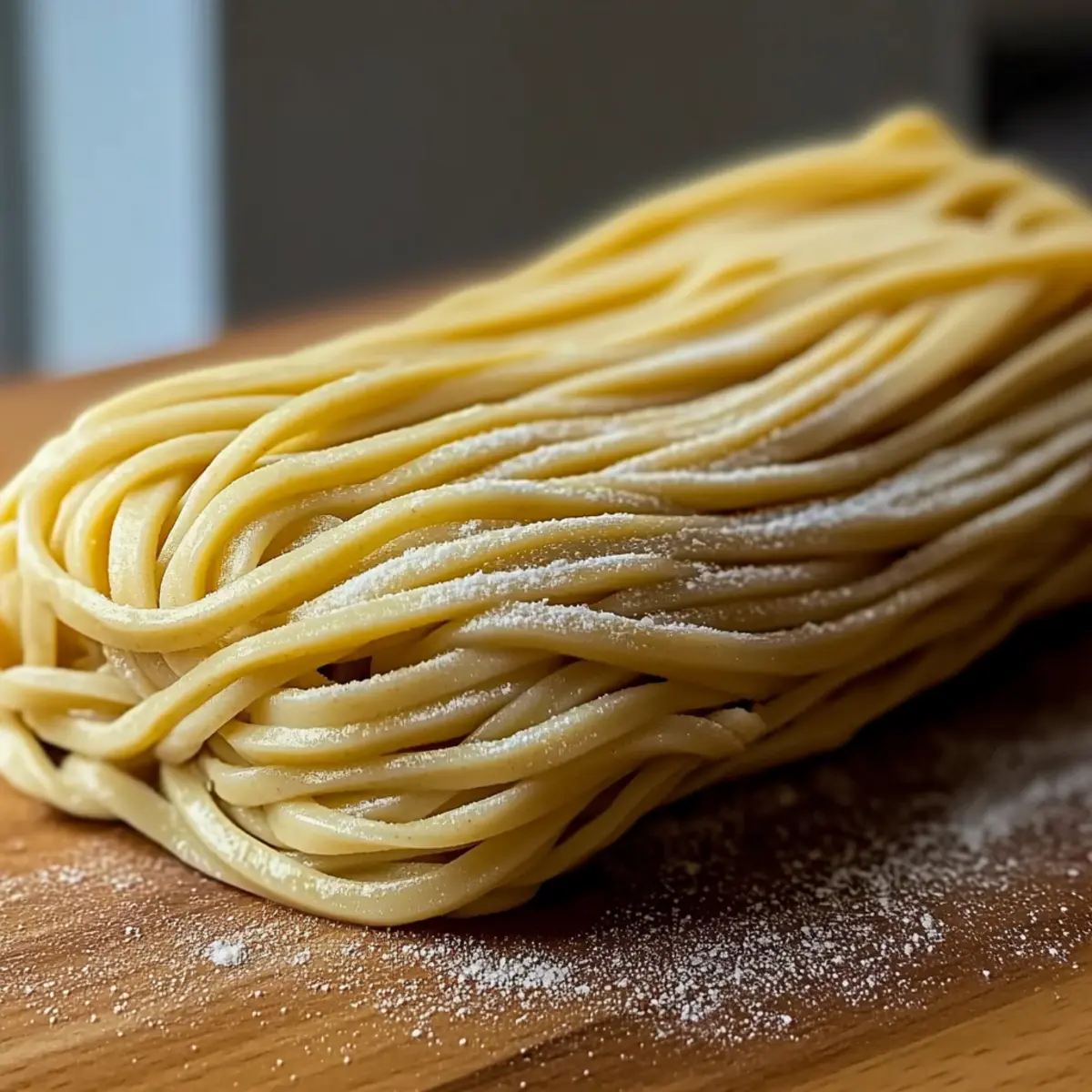
Expert Tips for Homemade Ramen Noodles
-
Kneading Matters: Ensure you knead the dough well for about 10 minutes. This develops gluten, which is crucial for the chewy texture of your homemade ramen noodles.
-
Use a Pasta Machine: For uniform thickness, a pasta machine works wonders. It ensures even cooking and prevents undercooked or overcooked noodles.
-
Water Adjustment: Depending on the humidity or the type of flour you use, you may need to slightly adjust the water content. Aim for a soft but not sticky dough.
-
Dusting with Cornstarch: Always dust your uncooked noodles with cornstarch to prevent sticking. This is particularly important if you’re storing them for later use.
-
Cooking Time Check: When boiling, keep an eye on your noodles. They should cook for 3-5 minutes—not longer—to maintain that perfect chewy bite.
-
Creative Serving Options: Don’t hesitate to experiment with different serving styles. Try your homemade ramen noodles in a broth or a zesty cold salad to keep meals exciting!
Homemade Ramen Noodles Variations
Feel free to explore and customize your homemade ramen noodles with these delightful twists that will make every bowl uniquely yours!
- Whole Wheat: Substitute all-purpose flour with whole wheat for a nuttier flavor and extra fiber, though the noodles may be denser.
- Herbed Dough: Add finely chopped herbs such as basil or cilantro to the dough for a fragrant and flavorful twist.
- Spicy Kick: Mix in some chili powder or red pepper flakes into the dough for a spicy zing that will delight your taste buds.
- Vegetable Infusion: Puree cooked spinach or beetroot and incorporate it into the dough for beautifully colored, nutrient-rich noodles.
- Egg Enrichment: For richer noodles, replace part of the water with beaten eggs. This adds flavor and a lovely golden hue.
- Chilled Noodle Salad: Toss your cooked noodles with a sesame dressing, fresh vegetables, and a sprinkle of sesame seeds for a refreshing cold salad.
- Stir-fry Delight: Stir-fry your noodles with colorful veggies and protein of choice for a quick and satisfying meal.
- Broth Variability: Experiment with different broths — miso, chicken, or vegetable stock will each impart distinct flavors to your ramen experience.
Remember, homemade noodles open a world of creativity! You might also be inspired to try other delicious creations like these Cranberry Bliss Bars or flavorful Burger Bowls Savor. Dive into your culinary journey today!
What to Serve with Homemade Ramen Noodles?
Elevate your ramen experience by pairing it with delightful sides that enhance every bite and make your meal unforgettable.
- Savory Broth: A rich, umami-packed ramen broth adds depth and warmth, perfectly complementing the chewy noodles.
- Fresh Vegetables: Crisp bok choy or vibrant spinach served alongside brings a burst of freshness and balances the savory flavors.
- Tender Meat: Grilled chicken, pork belly, or tofu contribute heartiness, ensuring every bowl is a fulfilling feast.
- Soft-Boiled Eggs: Creamy, runny yolks meld beautifully with the noodles, offering richness that enhances the dish’s comfort factor.
- Spicy Chili Oil: A drizzle of chili oil spices things up, providing a kick that contrasts lovely with the noodles’ texture.
- Soy Sauce Glazed Mushrooms: Earthy and packed with flavor, they add a fragrant touch while complementing the overall ramen experience.
- Crispy Nori Sheets: Seaweed brings a delightful crunch; sprinkle on top for an oceanic taste that elevates your bowl’s presentation.
- Refreshing Salad: A light salad with sesame dressing freshens your palate, making it a perfect counterpoint to the savory richness.
- Chilled Green Tea: A cup of this light and refreshing beverage cleanses the palate between bites, enhancing the entire experience.
- Mochi Ice Cream: For dessert, a sweet, chewy mochi filled with ice cream offers a delightful end to your meal that contrasts the savory noodles.
Make Ahead Options
These Homemade Ramen Noodles are a fantastic option for meal prep, allowing you to enjoy fresh noodles on busy weeknights! You can prepare the dough up to 24 hours ahead; simply mix the flour, water, and baking soda, then wrap it in plastic and refrigerate. Additionally, you can roll and cut the noodles in advance; just dust them with cornstarch to keep them from sticking together and store in an airtight container in the fridge for up to 2 days. When you’re ready to cook them, simply boil in salted water for 3-5 minutes until tender, and you’ll have delicious homemade ramen noodles at your fingertips, ready in no time!
Storage Tips for Homemade Ramen Noodles
-
Room Temperature: Uncooked noodles should not be left out; store them in the fridge to prevent spoilage.
-
Fridge: Place uncooked noodles dusted with cornstarch in an airtight container for up to 2 days. This ensures they stay fresh and ready for your next meal.
-
Freezer: For long-term storage, uncooked noodles can be frozen in an airtight container for up to 3 months. Just make sure to dust them with cornstarch to avoid sticking.
-
Reheating: Cooked noodles can be refrigerated for up to 3-4 days. To reheat, simply immerse them in boiling water for a minute or stir-fry them in your favorite sauce for a quick, tasty meal!
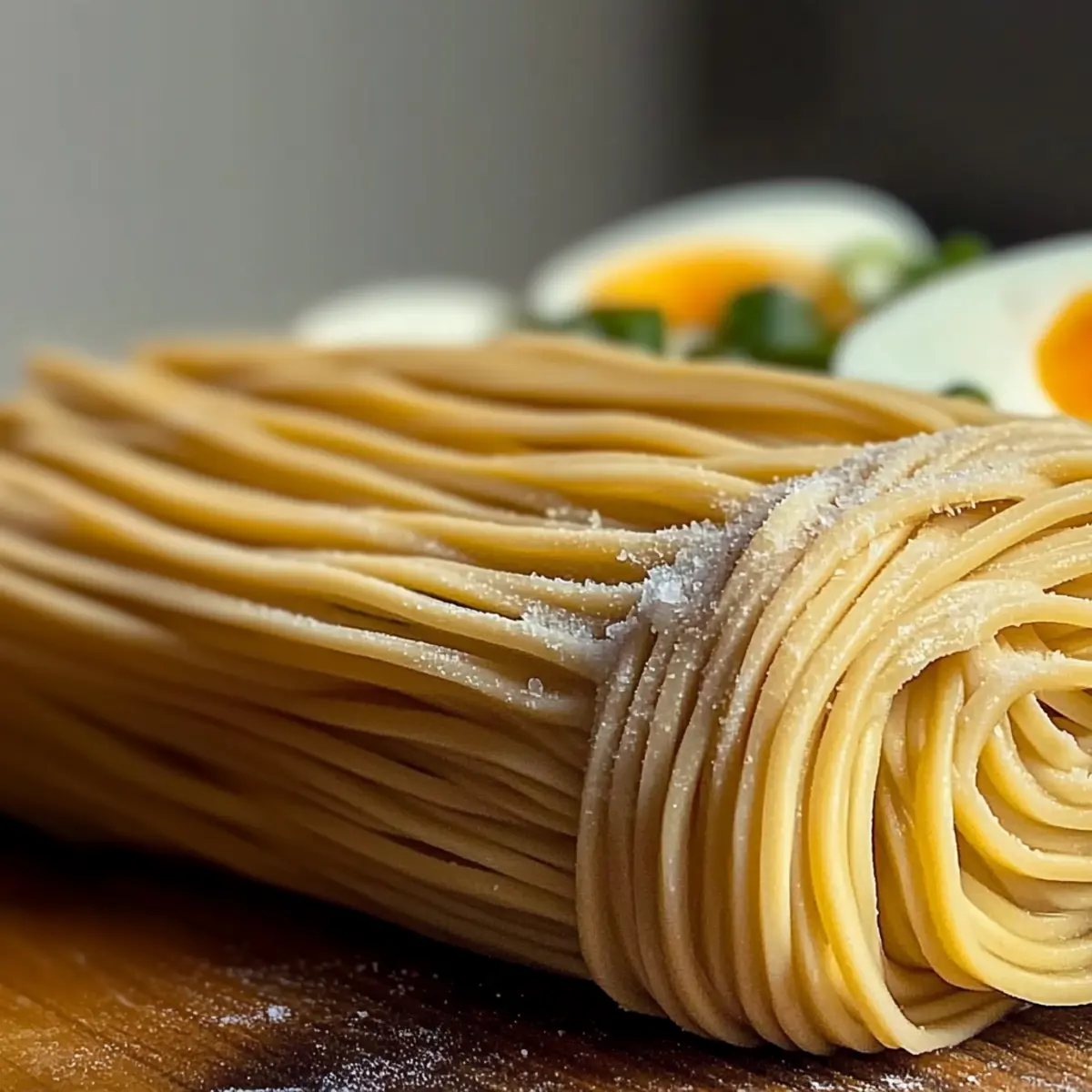
Homemade Ramen Noodles Recipe FAQs
How can I choose the best flour for my homemade ramen noodles?
Absolutely! For making ramen noodles, all-purpose flour is a great choice, but if you’re looking for a chewier texture, try using bread flour instead. The higher protein content in bread flour helps achieve that delightful chewiness, typical of ramen noodles.
What are the best storage methods for uncooked homemade ramen noodles?
Very good question! Once you’ve shaped your noodles, dust them lightly with cornstarch to prevent sticking. Store the uncooked noodles in an airtight container in the fridge for up to 2 days. If you’d like to plan ahead, you can freeze the uncooked noodles for up to 3 months; just ensure they’re well dusted with cornstarch before freezing.
How should I store cooked homemade ramen noodles?
The more the merrier when it comes to cooking extra noodles! Cooked ramen noodles can be kept in the refrigerator for 3-4 days. To store, place them in an airtight container. When you’re ready to enjoy them again, simply reheat by immersing them in boiling water for about a minute or toss them in a stir-fry—they’ll be just as delightful!
What should I do if my dough isn’t coming together properly?
If your dough feels too crumbly, add water gradually, one tablespoon at a time, until it reaches a smooth and elastic consistency. Conversely, if the dough is too sticky, sprinkle in a bit more flour. Kneading well for about 10 minutes is crucial to develop gluten, which will give your noodles the desired chewy texture.
Can I use homemade ramen noodles for my pets?
While it’s tempting to share your delicious homemade ramen noodles with your furry friends, it’s best to avoid it! Human noodles often contain ingredients that aren’t suitable for pets, like baking soda. Always stick to pet-friendly treats and consult your veterinarian if you’re unsure about feeding them anything new.
What substitutions can I make for dietary restrictions?
You can easily tailor this homemade ramen noodle recipe to fit various dietary needs! For a gluten-free option, use a gluten-free flour blend, keeping in mind texture may vary. If you’re looking for a healthier twist, consider whole wheat flour, but note it may result in denser noodles. Feel free to experiment with flavors by adding spices or herbs to the dough for additional taste!
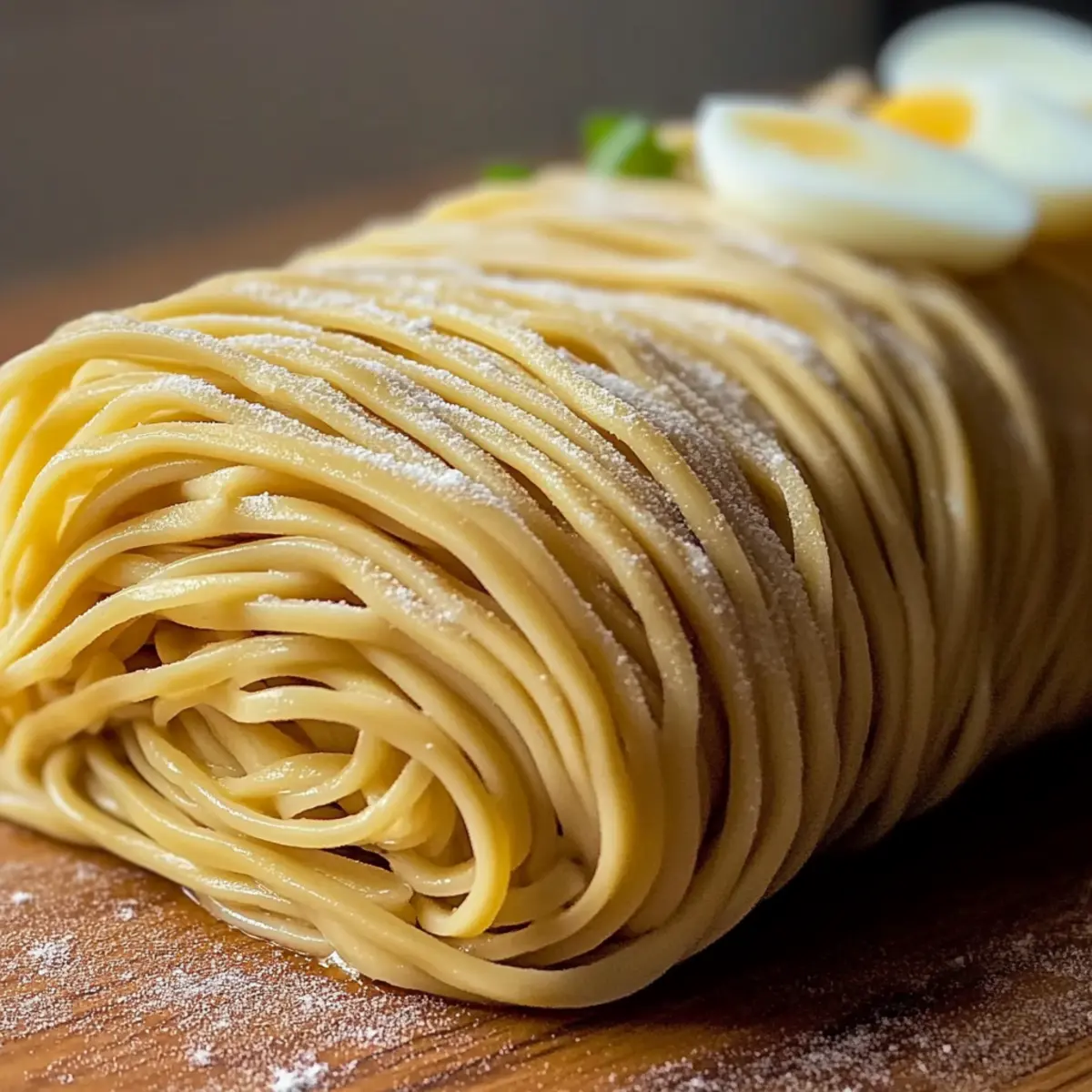
Homemade Ramen Noodles: Fresh, Chewy, and Totally Customizable
Ingredients
Equipment
Method
- In a large mixing bowl, combine all-purpose flour and baking soda, then add water gradually. Mix until the ingredients start to come together, then transfer the dough onto a lightly floured surface. Knead for about 10 minutes until smooth and elastic.
- Shape the dough into a ball and wrap it in plastic wrap or cover with a damp cloth. Allow to rest at room temperature for at least 30 minutes.
- Divide the dough into smaller portions. Roll each portion into a thin sheet, about 1/16 inch thick. Cut into your preferred noodle shape.
- Bring a large pot of salted water to a boil. Add cut noodles and cook for about 3 to 5 minutes until chewy and tender. Drain and rinse quickly under cold water.
- Use the noodles immediately or dust with cornstarch and store in an airtight container. Refrigerate for up to 2 days or freeze for longer storage.
Leave a Reply