
As I stood in my kitchen, the sizzling sound of vegetables dancing in a hot skillet filled the air, instantly transporting me to a bustling market brimming with colorful produce. That’s the joy of making Quick and Colorful Sautéed Vegetables—a vibrant and healthy dish that effortlessly transforms any meal. With just a handful of fresh ingredients and a dash of seasoning, I can whip up a quick, colorful side that not only brightens my plate but also supports my busy lifestyle. Perfect for meal prep and guaranteed to please family and friends, this recipe is about embracing the seasonal bounty around us. Have you ever experienced the magic of sautéing vegetables, turning simple ingredients into something spectacular? Let’s dive into the delicious details!
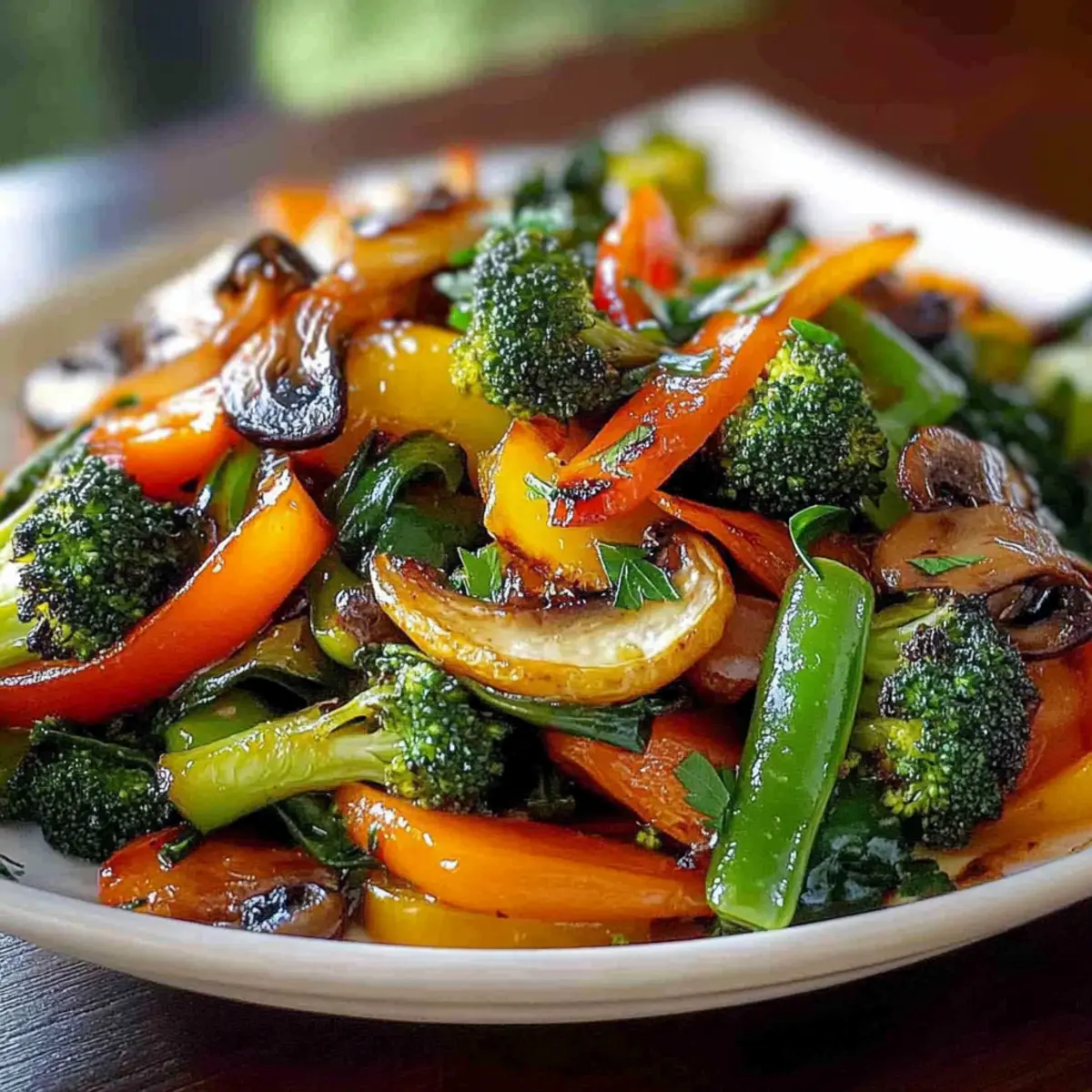
Why Are Sautéed Vegetables So Irresistible?
Quick and Easy: This recipe takes just 15 minutes from prep to plate, making it the ultimate go-to for busy evenings.
Colorful & Nutritious: Full of vibrant vegetables, it’s a feast for the eyes and packed with vitamins. Think of it as a canvas to create your own masterpiece!
Versatile Flavors: Mix and match your favorite veggies or try different seasonings for a new taste each time. From a simple side to a complete meal with additions like tofu or shrimp, the possibilities are endless!
Meal Prep Hero: Perfect for batch cooking, these sautéed vegetables can brighten any dish throughout the week. Pair them with grains for an easy lunch or serve alongside grilled meats for dinner. If you’re looking for more meal prep ideas, check out my Chickpea Feta Avocado salad for a refreshing sideshow!
Crowd-Pleasing Delight: Whether you’re catering to picky eaters or health-conscious friends, this colorful dish appeals to all palates. Everyone will love getting their veggies in such a delightful form!
Healthy Sautéed Vegetables Ingredients
For the Base
- Olive oil – The perfect base fat for sautéing, substitute with avocado oil or butter for a twist.
- Garlic – Minced for even distribution, it adds a rich aroma that elevates the dish.
- Onion – Use yellow or white onion, sliced thin, to bring sweetness and depth to your sauté.
For the Vegetables
- Bell pepper – Any color will do; choose in-season varieties for the best flavor and crunch.
- Zucchini – Cut into half-moons for uniform cooking, adding a soft texture that absorbs flavors beautifully.
- Broccoli florets – Break into bite-sized pieces for even cooking and extra fiber.
- Carrot – Julienned or thinly sliced for a quick cook and a natural sweetness.
- Snap peas – Offers a sweet, crisp texture; substitute with green beans if preferred.
- Mushrooms – Freshly sliced mushrooms contribute umami and texture to the dish.
For Seasoning
- Salt and black pepper – Essential for flavor enhancement, season to taste.
- Lemon juice (optional) – Squeeze fresh for a bright finish that livens up flavors.
- Balsamic vinegar or soy sauce (optional) – Adds depth and savory notes to the sauté.
Toppings (Optional)
- Toasted nuts – Almonds or walnuts give a delightful crunch and a nutty finish.
- Fresh herbs – Parsley or basil can brighten up the dish with fresh flavor.
- Grated Parmesan – A sprinkle adds a lovely salty richness, enhancing the delightful experience of healthy sautéed vegetables.
Step‑by‑Step Instructions for Healthy Sautéed Vegetables
Step 1: Prep Vegetables
Begin by washing all your vibrant vegetables under cold water. Peel any where necessary, and then chop each vegetable into uniform sizes to ensure even cooking. For instance, slice your onions, julienne the carrots, and cut the bell peppers and zucchini into half-moons. This colorful assortment will make your Healthy Sautéed Vegetables appealing and ready to shine in the skillet.
Step 2: Heat Oil
In a large skillet, heat 1-2 tablespoons of olive oil over medium-high heat. Allow the oil to warm until it shimmers, which usually takes about 1-2 minutes. You’ll know it’s ready when it starts to gently ripple. This step is essential as a well-heated oil base enhances the flavors of your Healthy Sautéed Vegetables while preventing them from sticking.
Step 3: Cook Aromatics
Add the minced garlic and thinly sliced onions into the hot skillet. Sauté these aromatics for about 1-2 minutes, stirring frequently until they become fragrant and the onions turn translucent. This aromatic foundation infuses the oil with rich flavors that will permeate your vegetables, creating a delicious depth to your dish.
Step 4: Add Harder Vegetables
Introduce the chopped carrots and broccoli florets to the skillet next. Stir and cook them for about 3-4 minutes, allowing them to soften while maintaining a slight crunch. Stir often to ensure even cooking and to prevent burning, as you want your carrots sweet and your broccoli a bright green for the best visual appeal in your Healthy Sautéed Vegetables.
Step 5: Add Softer Vegetables
Next, toss in your bell peppers, zucchini, mushrooms, and snap peas into the mix. Sauté these vibrant additions for another 4-5 minutes. Keep stirring to ensure they are cooked just until crisp-tender. Look for bright colors and a slight caramelization, which indicates that your Healthy Sautéed Vegetables are coming together beautifully.
Step 6: Season and Serve
Finally, season your vibrant sautéed medley with salt, black pepper, and any optional toppings like lemon juice or balsamic vinegar for an extra layer of flavor. Toss everything well to evenly distribute the seasoning. Serve your Healthy Sautéed Vegetables immediately while they are hot and colorful, and watch them quickly become a beloved addition to your meal!
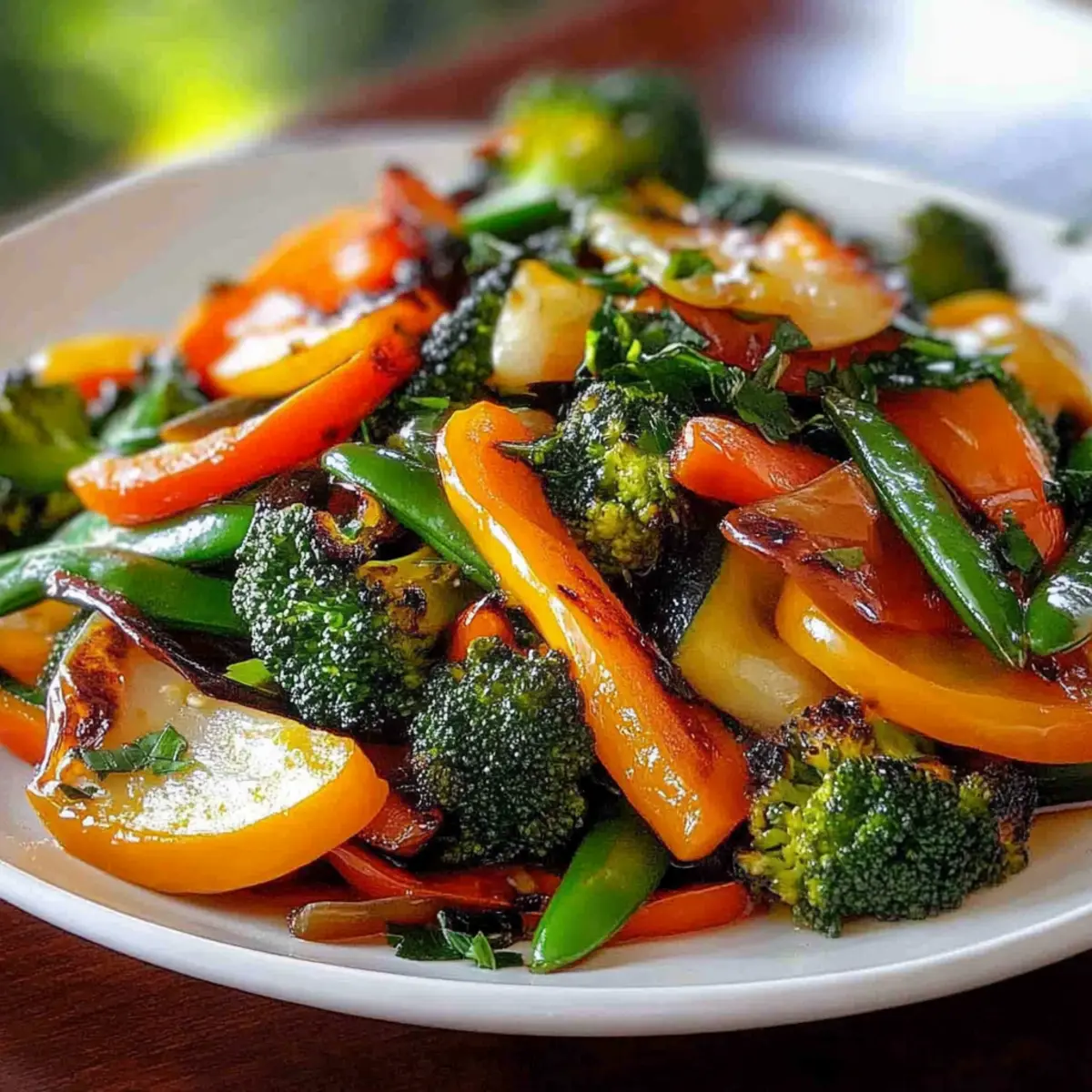
Healthy Sautéed Vegetables Variations
Customize your sautéed vegetables to suit your taste and dietary needs; let your imagination run wild with flavor and texture!
-
Dairy-Free: Substitute any cheese toppings with nutritional yeast for a cheesy flavor without the dairy. It adds a delightful umami boost!
-
Low-Carb: Use cauliflower rice in place of higher-carb grains for a lighter meal option. It’s a fantastic way to reduce carbs while staying satisfied.
-
Spicy Kick: Add crushed red pepper flakes or chopped jalapeños to bring the heat! This variation can transform your dish into a spicy sensation.
-
Herb Infusion: Experiment with fresh herbs like thyme, oregano, or basil as you cook. These will provide aromatic notes that elevate the entire dish to a new level.
-
Add Protein: To make it a complete meal, toss in cooked chicken, shrimp, or tofu during the last few minutes of cooking. This addition makes for a balanced and fulfilling dish.
-
Mediterranean Flair: Incorporate olives, artichokes, or sun-dried tomatoes to capture Mediterranean flavors. A sprinkle of feta would complement this twist beautifully!
-
Asian Twist: Add fresh ginger and a dash of soy sauce or teriyaki sauce for an Asian-inspired version. This creates a tantalizing blend of sweet and savory tastes.
-
Nuts & Seeds: Top with toasted almonds or sesame seeds for a crunchy texture. These provide not only a satisfying bite but also added nutrition.
Feel free to play with these suggestions and make the recipe your own! If you’re looking for additional healthy dishes, like a sweet treat, don’t miss my Healthy Pistachio Cookies that can pair perfectly with your colorful veggies.
What to Serve with Quick and Colorful Sautéed Vegetables?
Complement your colorful medley with other delicious dishes for a well-rounded meal that’s as engaging to the senses as it is satisfying.
-
Grilled Chicken: Juicy, smoky chicken enhances the dish’s flavors and provides protein, making your meal more hearty and fulfilling.
-
Quinoa Salad: Light and nutty, quinoa serves as a great base to soak up the vibrant juices from your sautéed vegetables.
-
Couscous: This fluffy grain adds a delightful texture and pairs beautifully with the freshness of the veggies, making each bite a joy.
-
Lemon Garlic Shrimp: These tender, garlicky shrimp introduce a savory richness that complements the crisp-tender vegetables perfectly.
The fresh flavors of the sautéed vegetables are brightened with the zesty notes from this seafood option.
-
Chickpea Curry: This hearty dish complements the vegetables’ freshness, adding warmth and earthiness for a satisfying, filling meal.
-
Toasted Whole Grain Bread: Crunchy, warm bread on the side makes for a delightful textural contrast, perfect for mopping up leftover juices.
-
Herbed Yogurt Sauce: A cooling sauce with a hint of spice offers a refreshing contrast, enhancing the vibrant flavors of your vegetables.
-
Fresh Berry Salad: The sweet, tangy burst of berries can cleanse the palate, providing a light, refreshing end to the meal.
Add a glass of sparkling water with a squeeze of lemon for a refreshing drink choice that ties it all together!
How to Store and Freeze Healthy Sautéed Vegetables
Fridge: Store leftovers in an airtight container for up to 3-4 days. Ensure they cool completely before sealing to avoid moisture buildup.
Freezer: For longer storage, freeze sautéed vegetables in a zip-top bag or container for up to 3 months. Lay the bag flat to save space.
Reheating: To maintain texture, reheat in a skillet over medium heat for 5-7 minutes. Add a splash of water or broth to bring back moisture if needed.
Make-Ahead: Prepare vegetables in advance and store chopped veggies in the fridge for up to 2 days for quick cooking when ready to enjoy your healthy sautéed vegetables!
Make Ahead Options
These Healthy Sautéed Vegetables are perfect for meal prep enthusiasts! You can chop all your vibrant vegetables up to 24 hours in advance and store them in an airtight container in the refrigerator. This way, your prep is already done, and you can quickly sauté them when it’s time to serve. For the best quality, make sure to keep broccoli florets and mushrooms separated from the other vegetables, as they tend to retain moisture. When you’re ready to cook, simply heat your oil, cook the aromatics, and then toss in your prepped veggies for a fresh, delicious result that feels like a hot-off-the-stove creation—just as tasty with minimal effort!
Expert Tips for Healthy Sautéed Vegetables
-
Uniform Cuts: Ensure all vegetables are cut into similar sizes for even cooking. This prevents some from overcooking while others remain crunchy.
-
Don’t Overcrowd: Use a large skillet and avoid overcrowding. Cooking in batches helps maintain that delightful crispness in your Healthy Sautéed Vegetables.
-
Aromatic First: Always sauté garlic and onions first. This builds a flavorful base that enhances the overall taste of the dish.
-
Perfect Timing: Keep an eye on cooking times; softer vegetables like zucchini and bell peppers cook faster. Add them later to prevent mushiness.
-
Bright Finish: Squeeze fresh lemon juice or drizzle balsamic vinegar just before serving. This will brighten the flavors and elevate your Healthy Sautéed Vegetables.
Healthy Sautéed Vegetables Recipe FAQs
How do I choose the right vegetables for sautéing?
Absolutely! When selecting your vegetables, look for vibrant colors and firm textures. Bell peppers should be smooth with no dark spots, while zucchini should feel solid, not soft. Fresh broccoli florets should be bright green, and carrots should be crisp. Opt for in-season produce to ensure peak flavor!
What’s the best way to store leftovers?
Certainly! Store your Healthy Sautéed Vegetables in an airtight container in the refrigerator for up to 3-4 days. Ensure the vegetables are completely cooled before sealing the container to prevent moisture buildup, which can lead to sogginess.
Can I freeze sautéed vegetables?
Very! To freeze your Healthy Sautéed Vegetables, let them cool completely and then transfer to a zip-top freezer bag. Press out as much air as possible to prevent freezer burn, and lay the bag flat in the freezer for easy stacking. They can be stored for up to 3 months.
What’s the best way to reheat sautéed vegetables while keeping their texture?
To reheat, I recommend using a skillet over medium heat for about 5-7 minutes. Add a splash of water or broth to help bring back moisture and prevent them from drying out. Stir occasionally for even heating until they’re warmed through and still crisp-tender.
Are there any dietary considerations with this recipe?
Absolutely! This Healthy Sautéed Vegetables recipe is naturally vegan and gluten-free. If you’re cooking for pets, keep the vegetables simple and avoid onions and garlic, which can be harmful to them. Always check for allergies or dietary restrictions, especially if you plan to add toppings like nuts or cheese.
What should I do if my vegetables are soggy after cooking?
Very! If they turn out soggy, it often means they were overcrowded in the pan or cooked too long. Make sure to give them enough space in the skillet, and consider cooking them in batches. If they are already soggy, try sautéing them on high heat for a couple more minutes to help improve their texture.

Deliciously Colorful Healthy Sautéed Vegetables Made Easy
Ingredients
Equipment
Method
- Prep Vegetables: Wash and chop all vegetables into uniform sizes to ensure even cooking.
- Heat Oil: In a large skillet, heat olive oil over medium-high heat until it shimmers.
- Cook Aromatics: Add minced garlic and sliced onions, sauté for 1-2 minutes until fragrant.
- Add Harder Vegetables: Introduce chopped carrots and broccoli, cook for about 3-4 minutes.
- Add Softer Vegetables: Add bell peppers, zucchini, mushrooms, and snap peas; sauté for 4-5 minutes.
- Season and Serve: Season with salt, black pepper, and optional toppings; serve hot.
Leave a Reply