
As I twirled the spaghetti around my fork, the creamy sauce clung to each strand, releasing a wave of tantalizing aromas. This is my moment of culinary bliss, and today, I’m excited to share my favorite Gochujang Pasta with you! This fusion of spicy Korean Gochujang and luscious Italian pasta comes together in under 15 minutes, making it perfect for those busy weeknights or spontaneous dinner gatherings. Not only is it quick to prepare, but it also offers a delightful twist that will impress anyone at your table. And for those following a vegan lifestyle, you can easily tweak this dish with simple ingredient swaps, ensuring everyone can enjoy it! Intrigued? Let’s dive into this deliciously spicy adventure together!
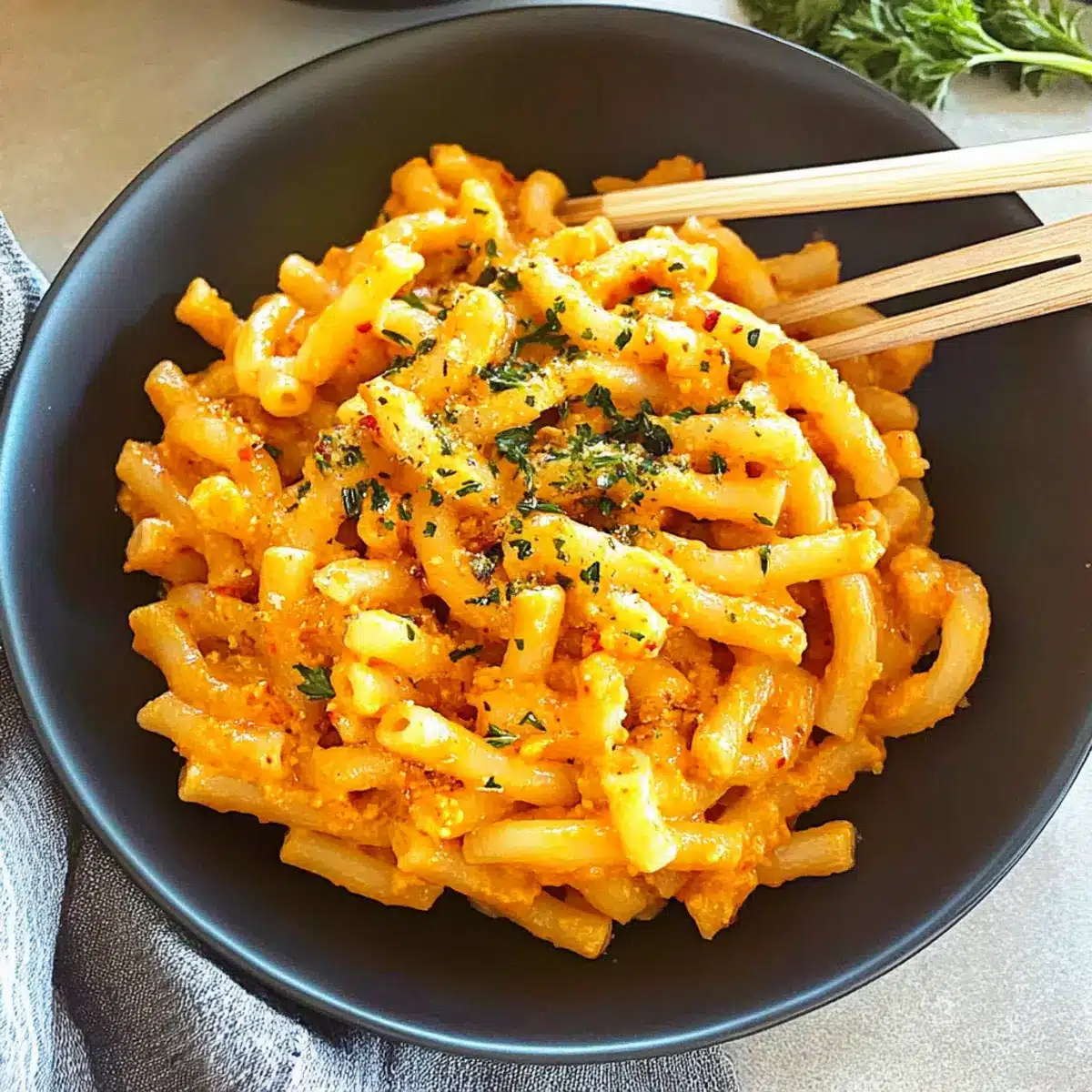
Why is Gochujang Pasta so special?
Simplicity: With just a few ingredients, you can whip up this dish in under 15 minutes, making it a breeze for busy weeknights.
Bold Flavors: The spicy kick of Gochujang combined with creamy pasta creates an unforgettable flavor explosion that will keep you coming back for more.
Versatility: Feel free to customize with your choice of protein or veggies for a personal touch – grilled chicken or sautéed mushrooms make fantastic additions!
Vegan-Friendly: Swapping dairy for plant-based ingredients makes this dish accessible to everyone, so no one misses out on the deliciousness.
Crowd-Pleasing: Whether for a dinner party or a casual family meal, this Gochujang Pasta is sure to impress and spark conversations. Dive into delightful pairings like Cajun Chicken Pasta alongside it!
Gochujang Pasta Ingredients
For the Pasta
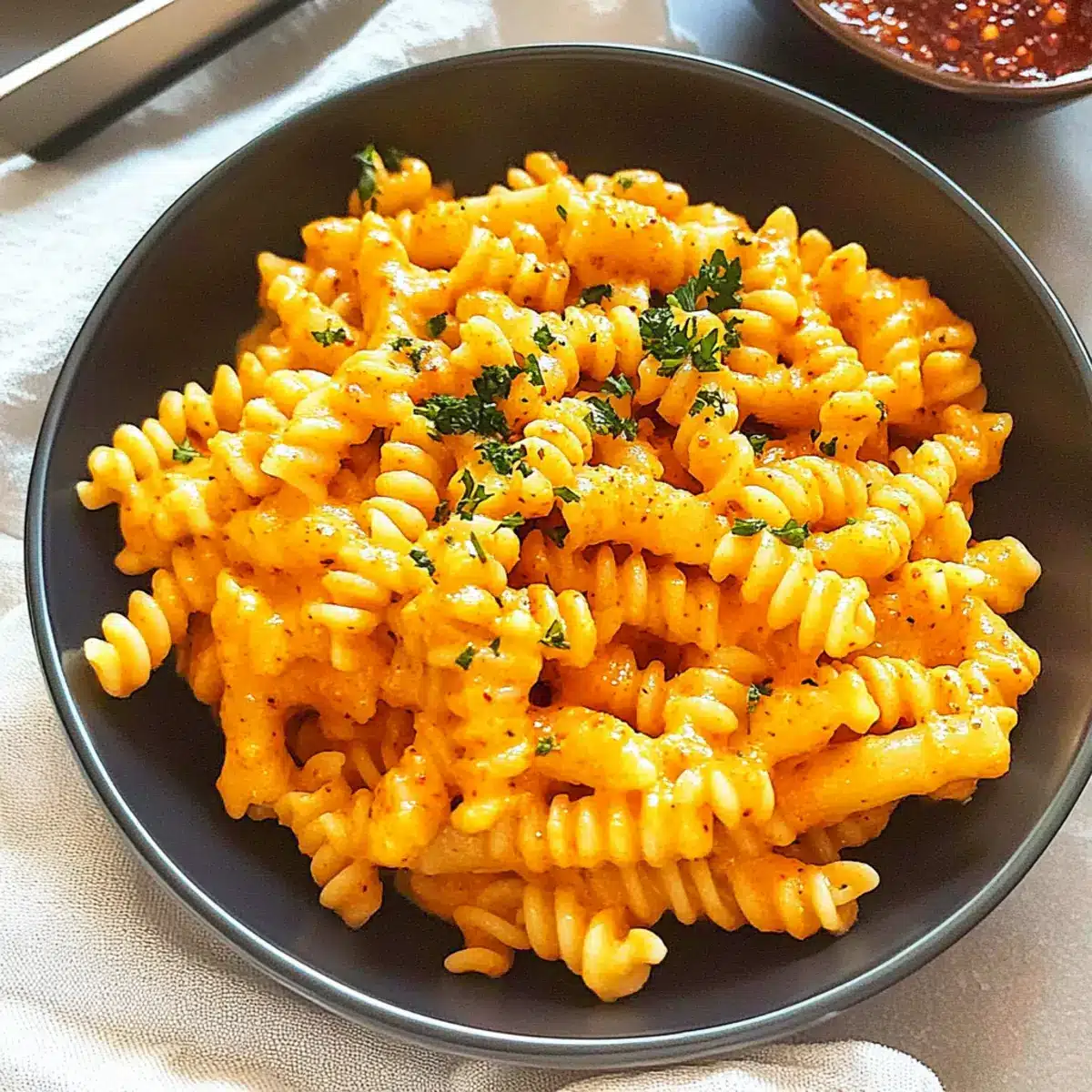
• Fusilli Corti Bucati Pasta – 8 oz; this fun shape holds onto the sauce perfectly, but feel free to swap in any pasta you love.
For the Sauce
• Gochujang – 2 tablespoons; this Korean chili paste adds a spicy, umami kick—check for gluten-free options if needed.
• Garlic – 3 cloves, minced; it’s the aromatic base of the sauce—adjust the amount for your taste preference.
• Salted Butter – 4 tablespoons; provides a luscious creaminess; vegan butter makes a great dairy-free alternative.
• Olive Oil – 2 tablespoons; ideal for sautéing, or use sesame oil for a nutty flavor boost.
• Parmesan or Cheddar Cheese – ½ cup, shredded; enriches the sauce; for a vegan option, consider nutritional yeast.
• Heavy Cream – ½ cup; this adds sumptuous creaminess—plant-based cream works wonderfully for vegan diets.
• Black Pepper – ½ teaspoon, freshly ground (optional); add for extra seasoning, but it can be left out if you prefer less spice.
• Chopped Parsley – 2 teaspoons, for garnish (optional); brightens up the dish with freshness.
Now that you have all the ingredients ready, you’re just moments away from savoring a bowl of delightful Gochujang Pasta!
Step‑by‑Step Instructions for Gochujang Pasta
Step 1: Cook Pasta
Start by bringing a large pot of water to a rolling boil over high heat. If desired, add a pinch of salt to enhance the pasta flavor. Once bubbling, add 8 oz of Fusilli Corti Bucati Pasta and cook according to package instructions (typically 7-12 minutes) until al dente. When finished, drain the pasta in a colander and set aside, allowing excess water to fully drain off.
Step 2: Prepare Sauce
In a large sauté pan, melt 4 tablespoons of salted butter and add 2 tablespoons of olive oil over medium heat. As the butter begins to froth, add 3 minced garlic cloves and, if desired, ½ teaspoon of freshly ground black pepper. Sauté for 30-60 seconds, until the garlic is fragrant but not browned, as it can turn bitter if overcooked.
Step 3: Combine Ingredients
Stir in 2 tablespoons of Gochujang, ½ cup of heavy cream, and ½ cup of shredded Parmesan or cheddar cheese into the sauté pan. Adjust the heat to low and cook for 1-2 minutes, stirring continuously, until the sauce thickens slightly and becomes creamy. Look for a rich and velvety texture that envelops the garlic aroma.
Step 4: Combine Pasta and Sauce
Add the drained Fusilli pasta to the sauce in the sauté pan. Using tongs or a sturdy spatula, gently toss the pasta until it is thoroughly coated with the creamy Gochujang sauce. Continue cooking for a minute on low heat, ensuring the pasta absorbs the flavors and is heated through.
Step 5: Serve
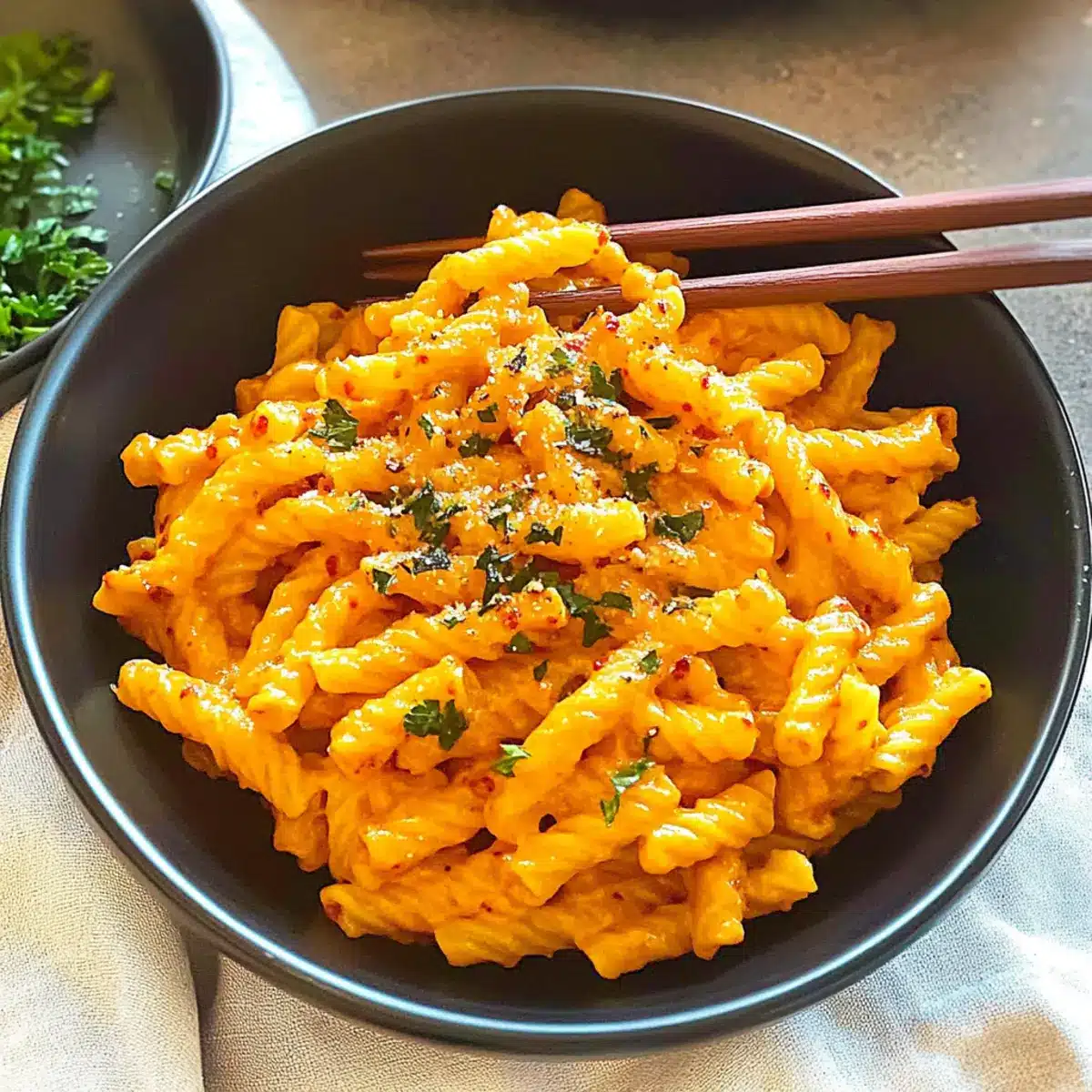
Once the pasta is coated and heated, plate the Gochujang Pasta into serving bowls. For a touch of freshness, sprinkle with 2 teaspoons of chopped parsley. This not only adds a pop of color but also enhances the dish’s presentation, making your meal visually appealing and inviting.
Expert Tips for Gochujang Pasta
- Watch the Garlic: Ensure that the garlic doesn’t burn during sautéing; burnt garlic can easily ruin the dish’s flavor, making it bitter.
- Customize Your Protein: For a heartier meal, consider adding grilled chicken, shrimp, or tofu—each adds its own delicious twist to the Gochujang Pasta.
- Adjust Spice Levels: If you prefer a milder dish, start with one tablespoon of Gochujang and adjust according to taste, allowing everyone to enjoy the meal.
- Veggie Boost: Incorporate sautéed bell peppers, zucchini, or mushrooms for added texture and flavor; they’re not just healthy but also delightful!
- Taste Test: Always taste the sauce before serving and adjust seasoning as necessary; this final touch can elevate your Gochujang Pasta experience.
- Serving Suggestion: Serve with Korean-style pickled radishes or kimchi for a refreshing contrast to the rich, spicy pasta!
What to Serve with Gochujang Pasta
Step into a world of delightful pairings that elevate your Gochujang Pasta experience to new heights!
-
Korean Kimchi: The spicy, tangy crunch of kimchi offers a refreshing contrast to the creamy pasta, enhancing overall flavor. The vibrant colors and rich fermentation make it a real feast for the senses!
-
Garlic Bread: A side of warm, buttery garlic bread is perfect for soaking up that luscious sauce. The crunchy exterior and soft interior create a comforting balance alongside your dish.
-
Crispy Tofu Bites: Add some protein with crispy tofu bites. They soak up the flavors beautifully and provide a delightful texture contrast to the creamy pasta.
-
Asian Cucumber Salad: This refreshing salad brings a cool crunch that balances the heat of the Gochujang. The sesame oil dressing adds another layer of delightful flavor.
-
Roasted Vegetable Medley: Serve a side of roasted veggies like bell peppers, zucchini, and carrots. Their roasted sweetness complements the pasta’s spicy depth harmoniously.
-
Chilled White Wine: A crisp, chilled white wine such as Sauvignon Blanc offers a light, zesty contrast that enhances the meal without overpowering the palate.
Indulge in these pairings and watch your Gochujang Pasta shine even brighter at your dinner table!
Storage Tips for Gochujang Pasta
Fridge: Store leftover Gochujang Pasta in an airtight container for up to 5 days. Be sure to let it cool to room temperature before sealing to maintain freshness.
Freezer: If you have extra portions, freeze the pasta in airtight containers or freezer bags for up to 3 months. Defrost overnight in the fridge before reheating.
Reheating: To reheat, warm the pasta gently in a skillet over low heat, adding a splash of cream or water to loosen the sauce. Stir until heated through and enjoy!
Wrapping: For optimal preservation, cover the pasta with plastic wrap before placing it in its container, ensuring no air can get in, which helps prevent freezer burn.
Make Ahead Options
These Gochujang Pasta components are perfect for meal prep, saving you time on busy weeknights! You can cook the pasta and store it in an airtight container in the refrigerator for up to 3 days. Prepare the creamy sauce without the heavy cream and cheese, refrigerating it for up to 24 hours. To maintain quality and prevent the pasta from becoming soggy, toss the pasta with a bit of olive oil after draining. When ready to serve, simply reheat the sauce gently over medium heat, stir in the cream and cheese until melted, then mix with the pre-cooked pasta for delicious results—just as flavorful as if made fresh!
Gochujang Pasta Variations: Customize Your Dish
Feel free to make this scrumptious Gochujang Pasta your own with exciting swaps and twists that tickle your taste buds!
-
Protein Options: Add grilled chicken, shrimp, or tofu for a heartier meal that satisfies.
-
Veggie Add-Ins: Toss in sautéed bell peppers, zucchini, or mushrooms to enhance freshness and texture, bringing vibrant colors to your plate.
-
Noodle Variations: Experiment with different pasta shapes or even try Asian noodles like ramen or rice noodles for a unique spin.
-
Dairy-Free Delight: Use plant-based cream and nutritional yeast instead of heavy cream and cheese to keep it vegan-friendly while still creamy.
-
Spice Level: Keep it mild or boost the heat by adding an extra tablespoon of Gochujang or some red pepper flakes to the sauce, catering to your family’s preference.
-
Umami Boost: For an extra flavor burst, toss in some chopped scallions or a sprinkle of sesame seeds right before serving, giving your dish an irresistible crunch.
-
Savory Sauce Adjustments: Mix in a spoonful of peanut butter for an added richness and nutty flavor that complements the spiciness splendidly; it’s a fusion lover’s dream!
-
Serving Suggestions: Pair the dish with sides like crispy Korean-style pickled radishes or kimchi for a tangy contrast that elevates your meal experience.
You can always switch up the ingredients to match your pantry or mood—unleash your creativity while enjoying the delightful fusion of flavors in every bite! If you’re looking to explore more savory options, check out this Cajun Chicken Pasta for another fantastic dish!
Gochujang Pasta Recipe FAQs
How do I choose ripe ingredients for the Gochujang Pasta?
Absolutely! When selecting ingredients, make sure to choose fresh garlic cloves with no dark spots or sprouting; they should feel firm and smell aromatic. For the Gochujang, look for a brand that offers a bright red color without any graininess, ensuring it’s fresh and has good flavor. If using vegetables, pick bell peppers and zucchini that have shiny, smooth skin without blemishes.
How should I store leftover Gochujang Pasta?
Very! Store your Gochujang Pasta in an airtight container, allowing it to cool to room temperature before sealing to maintain freshness. It will stay good in the refrigerator for up to 5 days. Remember to label the container with the date so you can keep track!
Can I freeze Gochujang Pasta?
Yes, you can definitely freeze it! To do this, let the pasta cool completely, then portion it into airtight containers or freezer bags. Be sure to remove as much air as possible to prevent freezer burn. It can be stored in the freezer for up to 3 months. When ready to enjoy, defrost it overnight in the fridge, then reheat gently on the stove, adding a little cream or water if needed to loosen the sauce.
What should I do if the sauce is too spicy?
If your Gochujang Pasta turns out too spicy, don’t worry! You can balance the heat by mixing in additional heavy cream or plant-based cream to mellow the flavors. Alternatively, adding a little more shredded cheese can help, as it will incorporate the warmth without intensifying spice. Consider serving it with a side of cooling Greek yogurt or a salad to soothe the palate!
Are there any dietary considerations I should be aware of?
Absolutely! This recipe can be easily adjusted for dietary needs. For gluten-free options, ensure your Gochujang and pasta are certified gluten-free. If you’re cooking for someone with dairy allergies, swap the butter and cream for plant-based versions, and consider nutritional yeast in place of cheese for those who are vegan. Always double check ingredient labels as brands may vary.
Can I add extra vegetables or proteins to Gochujang Pasta?
Yes, the more, the merrier! Feel free to toss in sautéed bell peppers, mushrooms, or spinach for added nutrients and flavor. You can also incorporate protein such as grilled chicken, tofu, or shrimp. Just ensure that any additions are pre-cooked and incorporated when you mix the pasta with the sauce for best results!
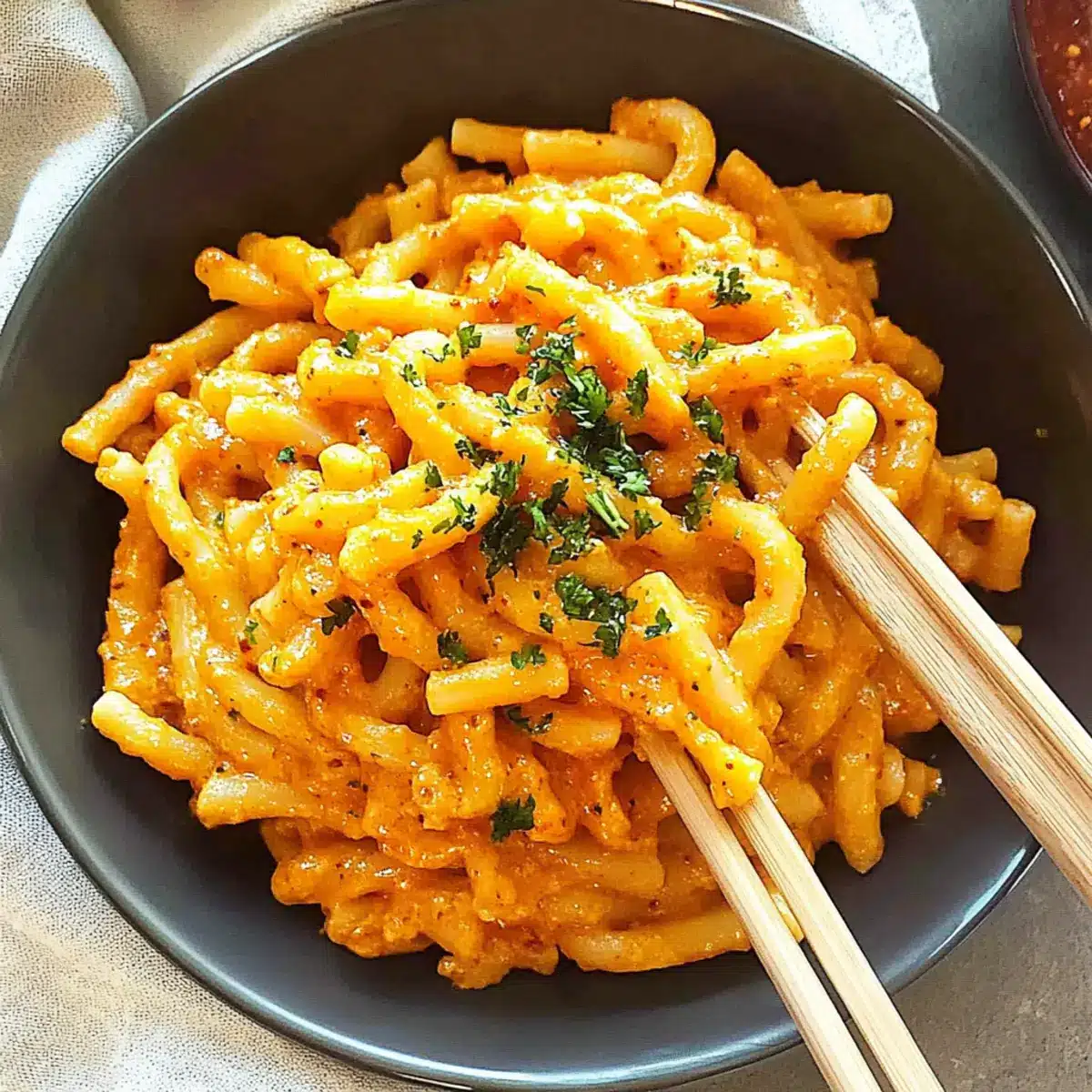
Spicy Gochujang Pasta: A Quick Creamy Delight Under 15 Minutes
Ingredients
Equipment
Method
- Start by bringing a large pot of water to a rolling boil over high heat. If desired, add a pinch of salt. Once bubbling, add 8 oz of Fusilli Pasta and cook according to package instructions until al dente. Drain the pasta in a colander and set aside.
- In a large sauté pan, melt 4 tablespoons of salted butter and add 2 tablespoons of olive oil over medium heat. Once the butter begins to froth, add 3 minced garlic cloves and optionally add ½ teaspoon of black pepper. Sauté for 30-60 seconds until the garlic is fragrant.
- Stir in 2 tablespoons of Gochujang, ½ cup of heavy cream, and ½ cup of shredded cheese into the sauté pan. Adjust the heat to low and cook for 1-2 minutes until the sauce thickens slightly and becomes creamy.
- Add the drained Fusilli pasta to the sauce in the sauté pan. Using tongs or a sturdy spatula, gently toss the pasta until thoroughly coated with the sauce. Continue cooking for a minute on low heat.
- Plate the Gochujang Pasta into serving bowls. For a fresh touch, sprinkle with 2 teaspoons of chopped parsley.
Leave a Reply